20 Living Room Decor Styles to Make Your Space Feel More Finished
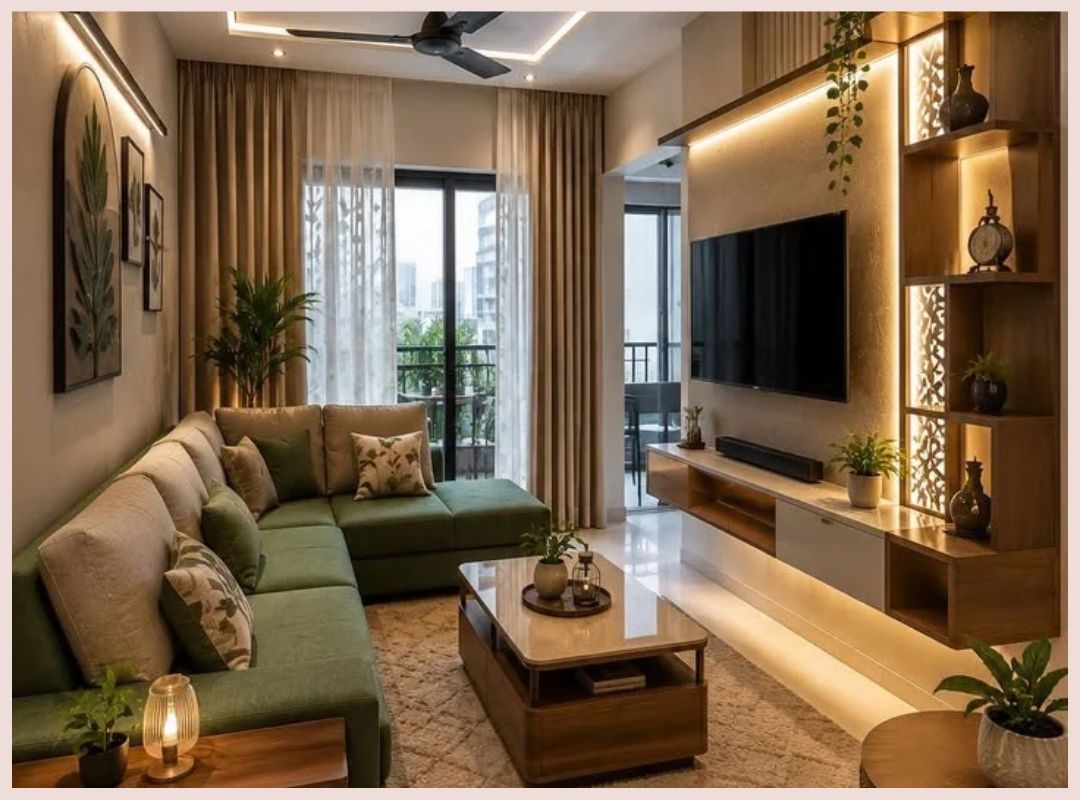
Living room decor can completely change how a space feels without requiring a full renovation. The right furniture arrangement, lighting, rug, curtains, and personal touches can make a room feel more comfortable and put together.
The living room is often one of the first spaces people notice when they walk into a home. It is where you relax after a long day, welcome friends, watch movies, have conversations, and sometimes work or read. With so many different uses, the room needs to feel comfortable while still looking stylish and functional.
You do not have to replace everything to make a noticeable difference. Sometimes a better furniture arrangement, warmer lighting, or a few thoughtful changes can completely transform the way your living room feels.
Before buying anything new, take a look at the living room decor you already have and consider what can be rearranged or reused.
Start With How You Actually Use the Room
Before choosing new living room decor, think about what happens in your space every day.
If it is mainly used for movie nights, your television and seating arrangement will probably need more attention. A room used for entertaining may benefit from chairs positioned toward the sofa, while a living room that doubles as a workspace needs enough flexibility for different activities.
This is also a good time to decide what you already like about the room and what is not working. You may discover that the problem is not a lack of decoration at all. The sofa might simply be too large for the space, the lighting may be too harsh, or the furniture may be arranged in a way that makes conversation difficult.
Start there before you start shopping.
1. Start With the Furniture Layout
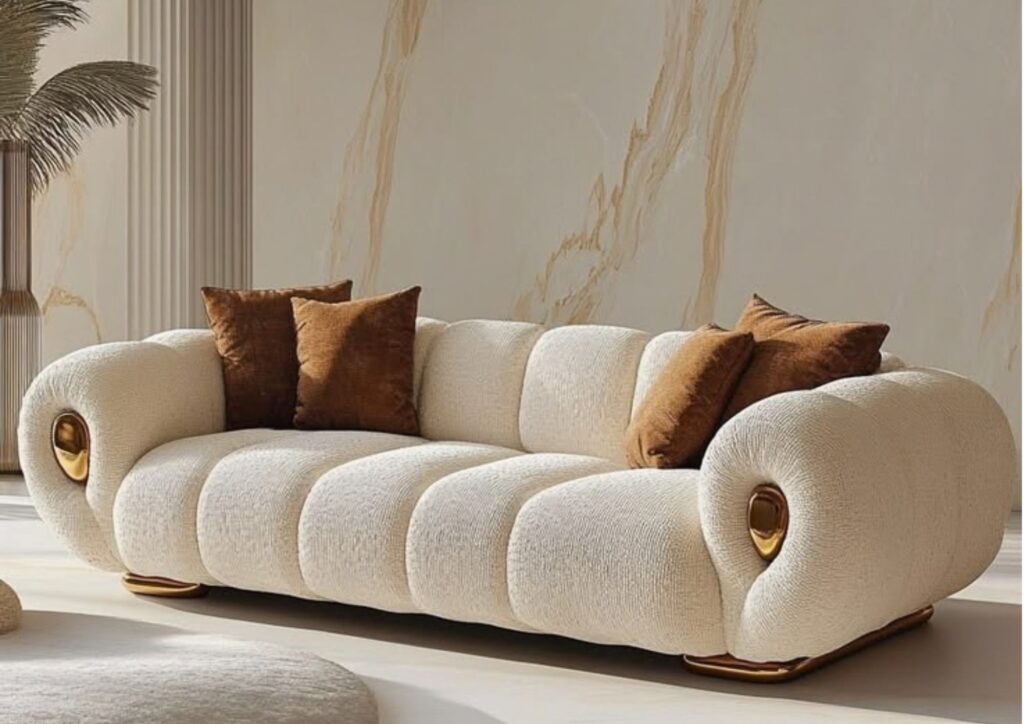
A new furniture arrangement can sometimes make a bigger difference than buying new living room decor.
Instead of automatically pushing every piece of furniture against the walls, experiment with the placement of your sofa, chairs, coffee table, and television. Leave enough room for people to move comfortably through the space, and arrange seating so that conversation feels natural.
If your living room has several functions, you can also create smaller zones. A sofa and rug can define the main seating area, while a chair and floor lamp in a nearby corner can create a separate reading spot.
Take a few measurements before moving everything around. A layout that looks good from one angle still needs to work when people actually use the room.
2. Anchor the Seating Area With a Large Rug
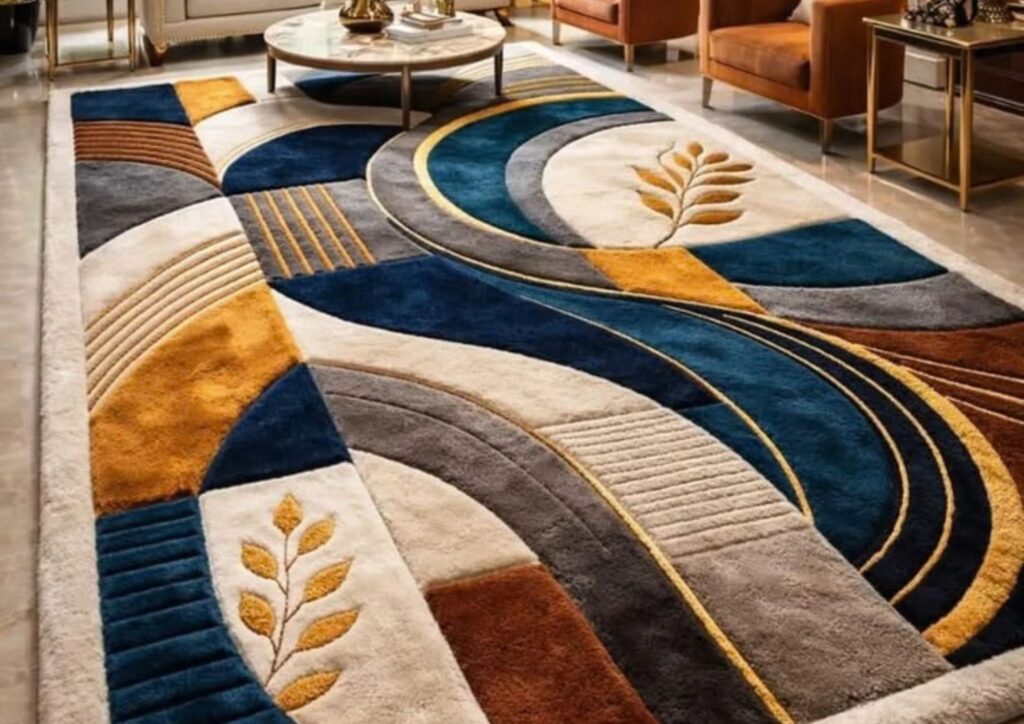
A properly sized area rug can make separate pieces of furniture feel like one intentional arrangement.
Rather than choosing a tiny rug that only sits underneath the coffee table, look for one that connects the main seating pieces. Ideally, at least the front legs of the sofa and chairs can sit on the rug.
The color matters too. A neutral rug can calm a room that already has plenty of pattern, while a patterned design can give simpler furniture more personality.
If you already have several bold patterns, consider a textured rug in a quieter shade instead.
3. Layer Your Lighting
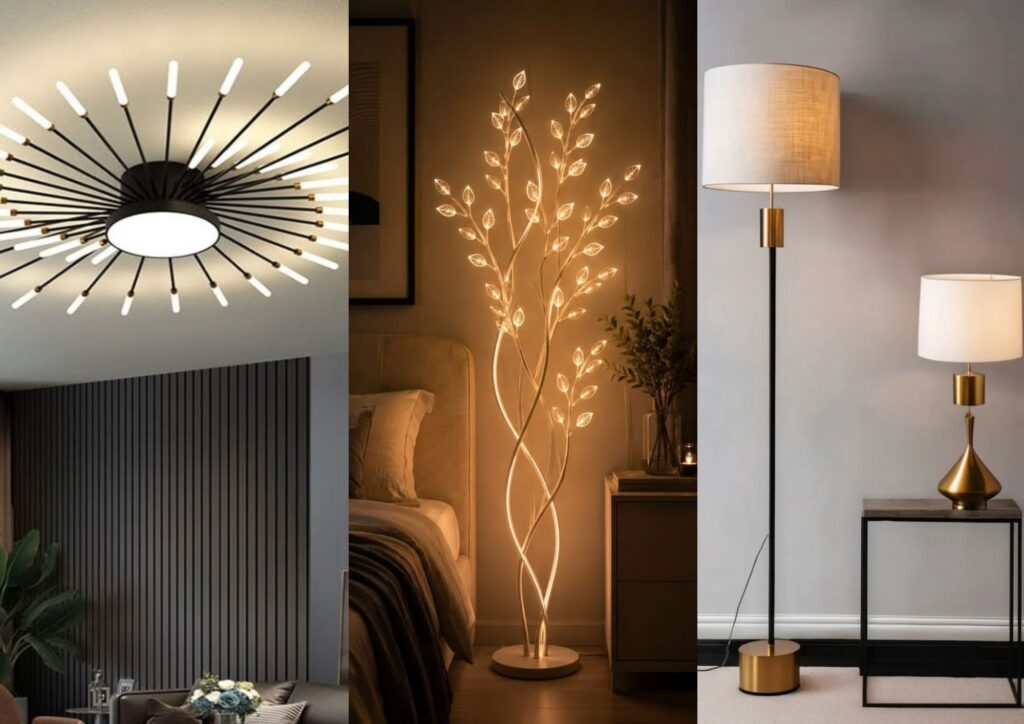
One ceiling light rarely creates the most comfortable atmosphere.
Try combining different types of lighting instead. A floor lamp beside a sofa can provide useful reading light, while a table lamp can brighten a darker corner or console. Wall lights or picture lights can also draw attention to artwork or architectural features.
Think about the different activities that happen in the room. You want enough light for practical tasks, but you should also have softer options for evenings when you want the room to feel relaxed.
4. Hang Curtains Higher and Wider
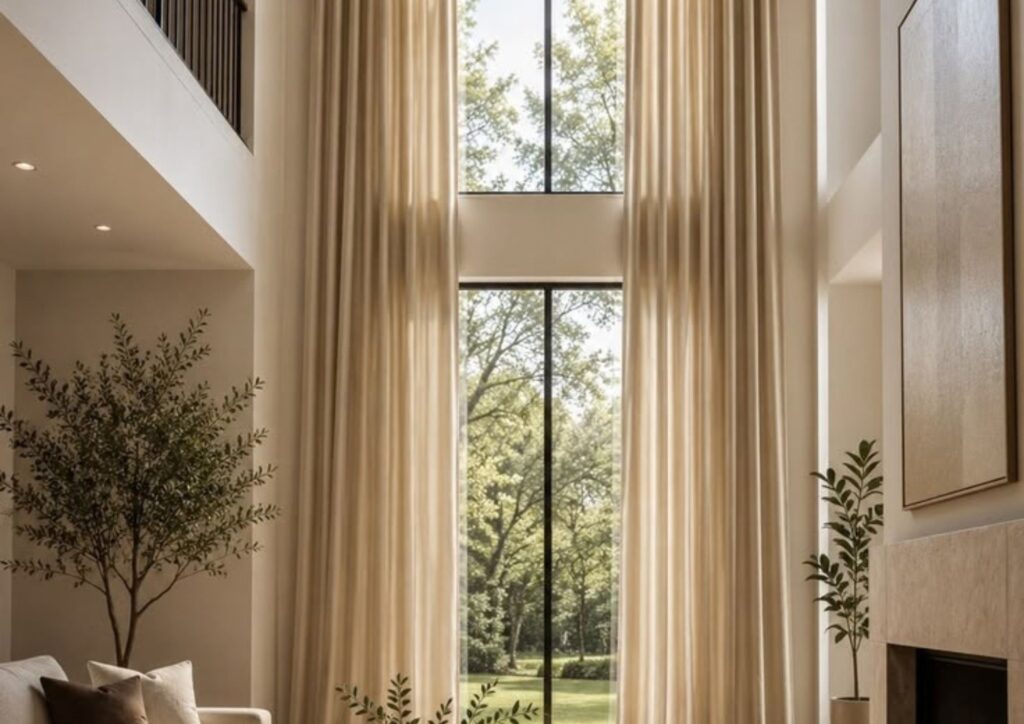
Curtains can change the way your windows and ceiling appear without requiring a major renovation.
Try placing the curtain rod slightly above the window frame and extending it beyond the sides of the window. This can make the window treatment feel more deliberate and allow the curtains to frame the window rather than cover too much of the glass.
Long panels that reach close to the floor usually create a more finished appearance than curtains that stop several inches above it.
For a calm room, consider cream, beige, soft gray, or another shade already present in your decor.
5. Create One Clear Focal Point
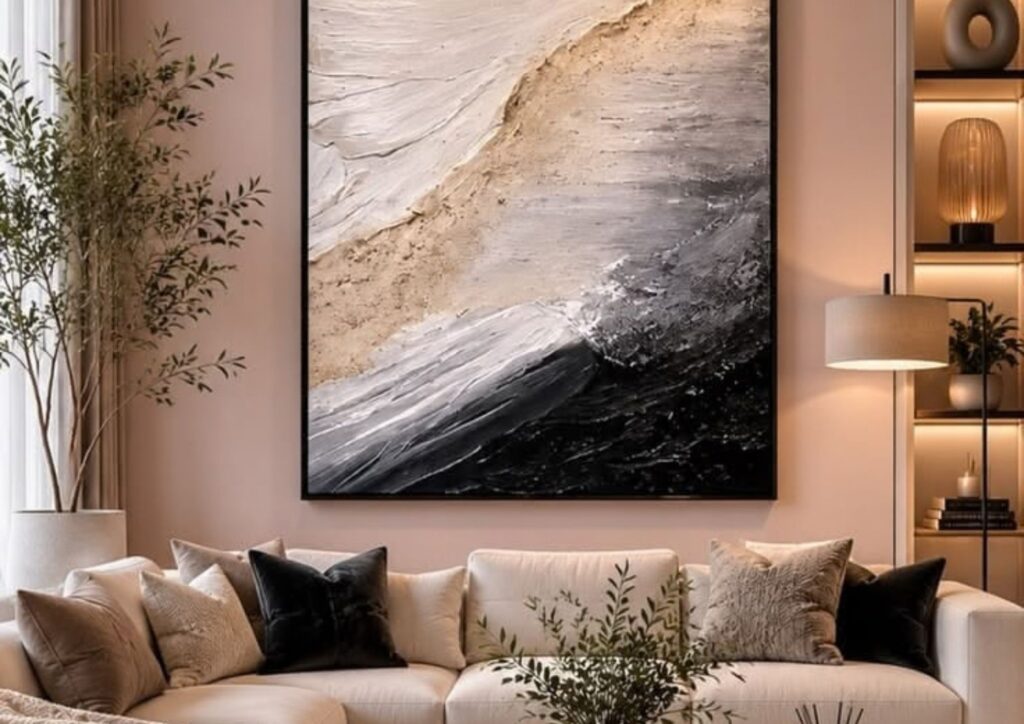
A living room does not need every wall and surface competing for attention.
Choose one area to stand out. It could be the wall behind the sofa, a fireplace, a large window, or even a beautifully styled shelving unit.
You could use one oversized piece of artwork, a collection of framed prints, textured wall treatment, or a large mirror.
The right living room decor can help draw attention to one area without making the entire room feel busy.
6. Make Your Coffee Table Useful and Attractive
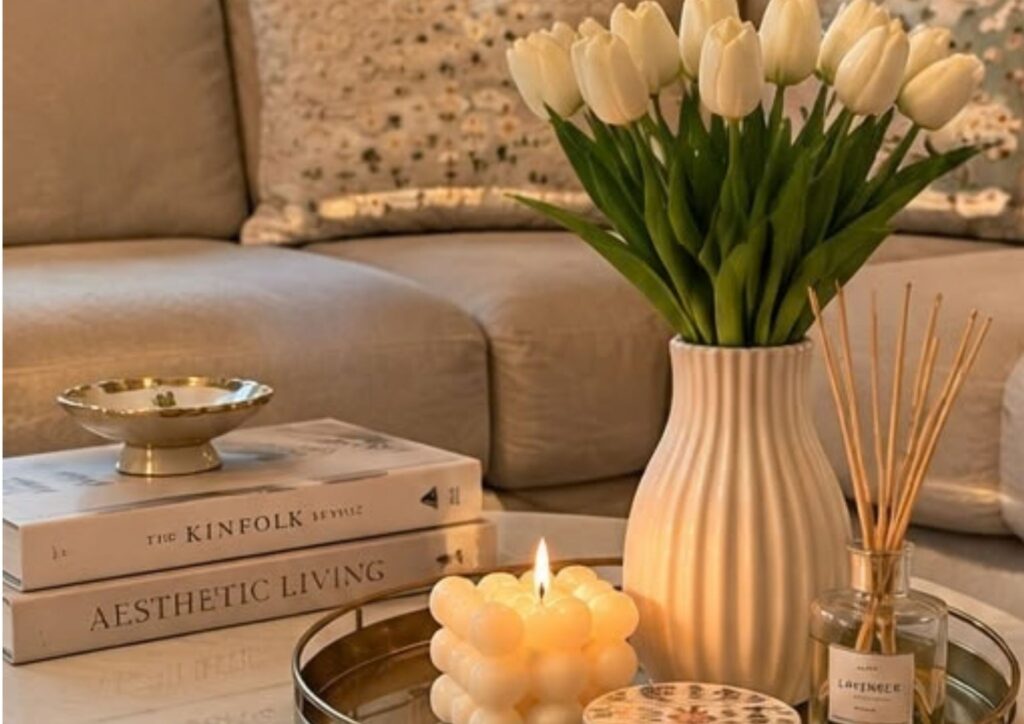
A coffee table should still have enough space for everyday use, even when it is decorated.
Try grouping two or three items together instead of covering the entire surface. A tray, a small vase, and a stack of books may be enough.
A tray is particularly useful because you can move several small objects at once when you need more table space.
Leave some empty surface around your arrangement. The extra breathing room will make the table look less cluttered and keep it practical.
7. Mix Textures Through Pillows and Throws
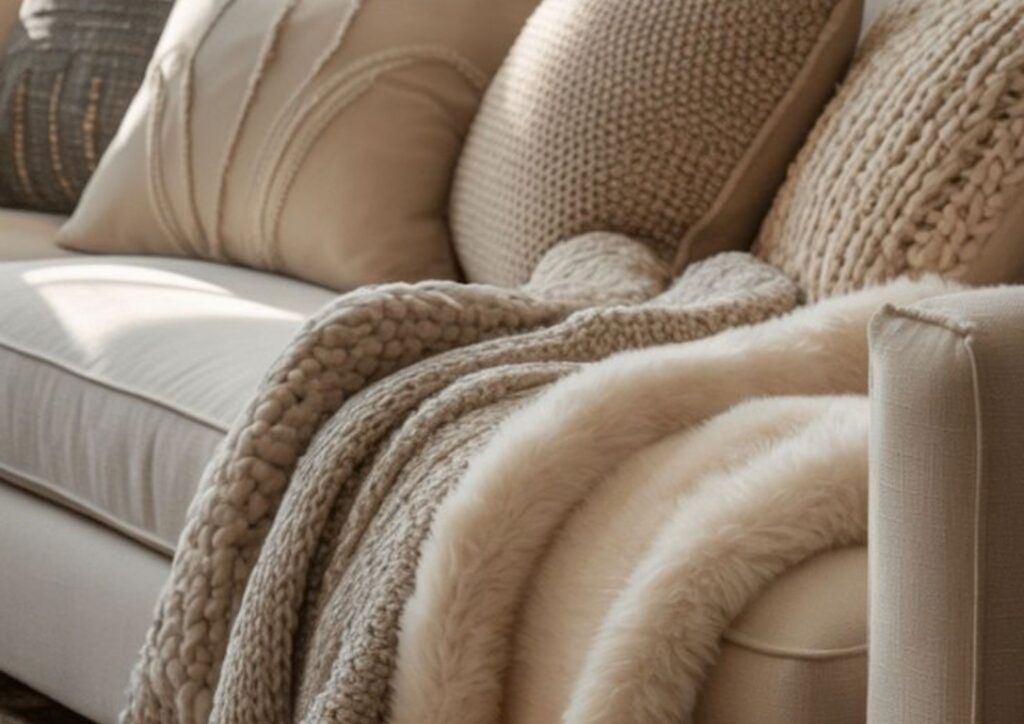
Soft furnishings are an easy way to change the character of a living room without replacing major furniture.
Instead of buying several identical cushions, combine different textures such as linen, cotton, velvet, boucle, or woven fabrics. You can repeat one or two colors to keep the combination connected.
A throw blanket can add another layer. Drape one over the arm or back of the sofa rather than folding it perfectly every time.
The result should feel comfortable enough to use, not so carefully arranged that nobody wants to disturb it.
8. Bring in a Plant
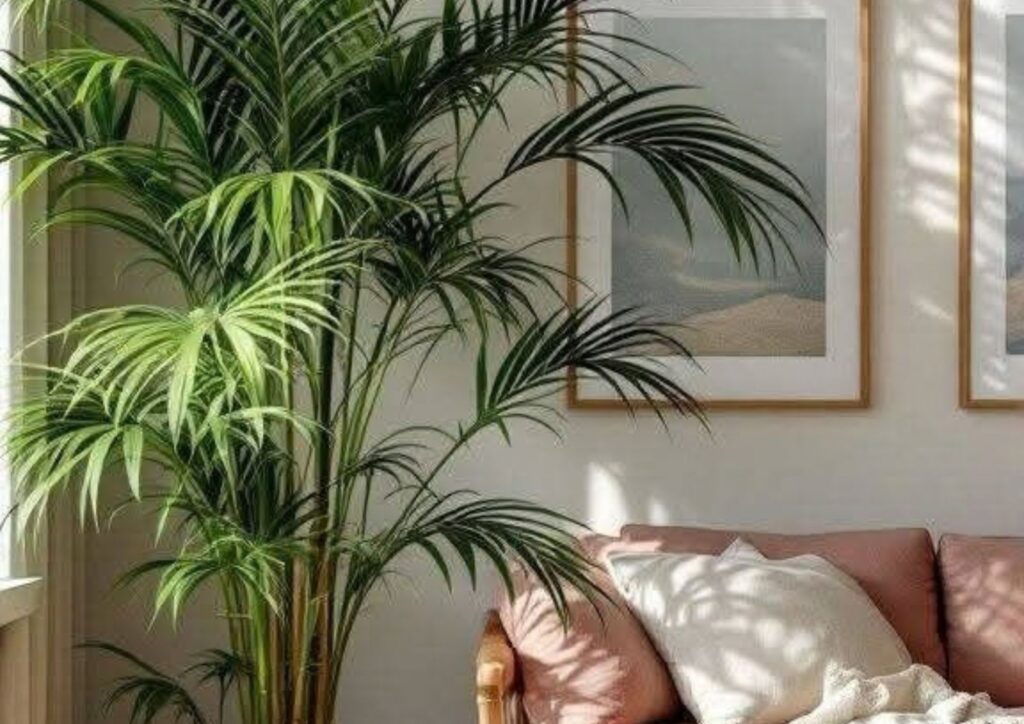
A plant can add life to a room that feels dominated by furniture and hard surfaces.
A larger plant can work particularly well in an empty corner, while smaller plants can sit on shelves, consoles, or side tables.
Choose according to the amount of natural light your room receives. If you are not confident with plant care, start with one variety that suits your conditions rather than filling the room with plants that may struggle.
One healthy plant can have more impact than several neglected ones.
9. Add Warm Wood Accents
Wood can bring warmth to a room filled with glass, metal, white surfaces, or cooler colors.
You can introduce it through a coffee table, side table, shelves, picture frames, stools, or decorative objects.
Your wooden pieces do not have to come from the same furniture set. Slightly different finishes can actually make the room feel more collected.
Repeat the warmth somewhere else in the room so the wood does not look like an isolated addition.
10. Choose an Accent Chair That Adds Something Different
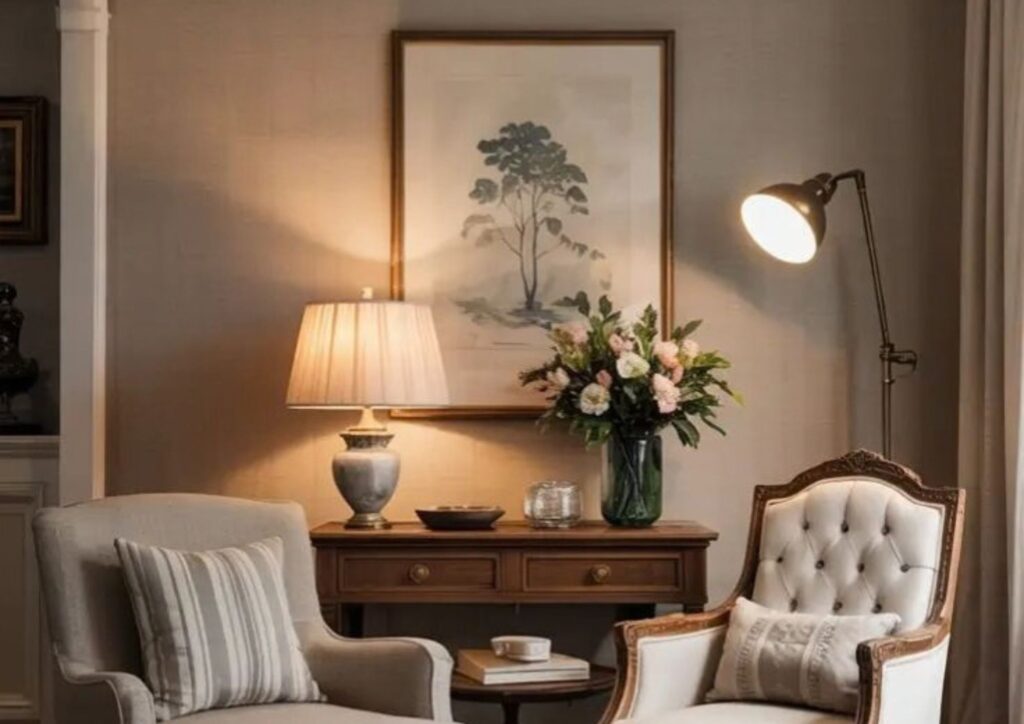
An accent chair gives you a chance to introduce a shape, texture, or color that your sofa does not have.
A neutral sofa, for example, could be paired with a curved chair in a warmer fabric. A simple modern room might also benefit from a vintage-inspired chair with an interesting frame.
Think about placement before buying one. An accent chair should help create a comfortable seating arrangement rather than simply filling an empty corner.
11. Use an Ottoman When You Need Flexibility
An ottoman can perform several jobs in a living room.
Depending on its size and design, it can work as a footrest, occasional seat, or coffee-table alternative when paired with a tray. Some also provide hidden storage for blankets, books, or other everyday items.
This can be particularly useful in a smaller living room where every piece of furniture needs to earn its space.
12. Give Your TV Wall Some Thought
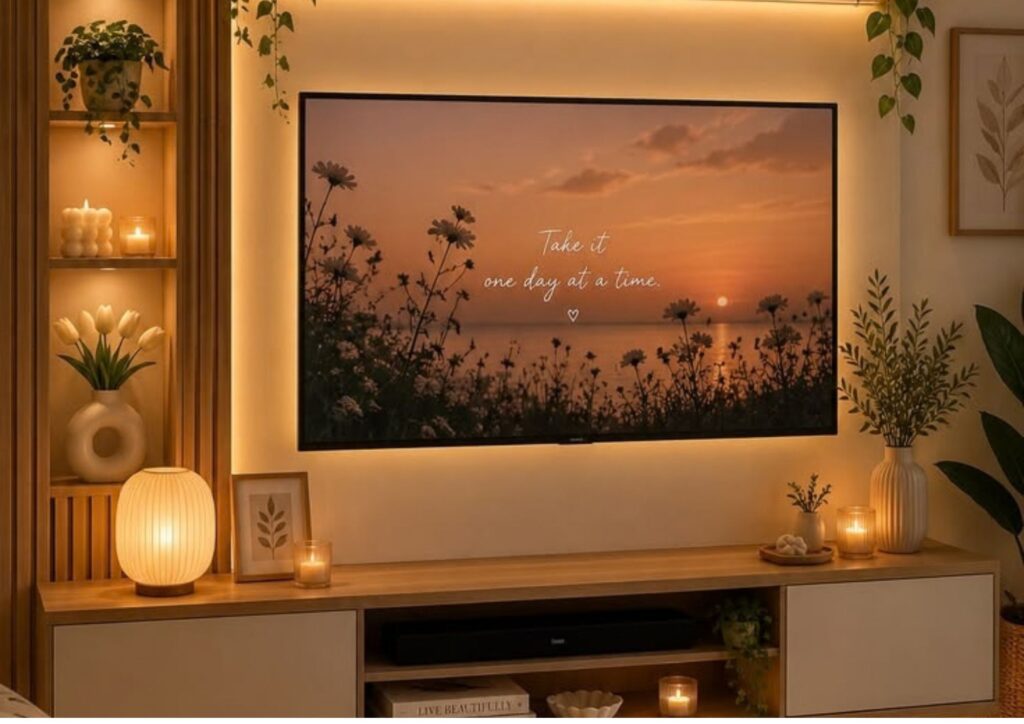
The television is often one of the largest visual elements in a living room, so it can easily become the accidental focal point.
Instead of allowing the screen to stand alone, consider placing it within a larger arrangement. A low media cabinet, wood paneling, nearby artwork, or carefully balanced shelving can help it feel more connected to the room.
Keep practicality in mind, though. Cables, ventilation, viewing height, and access to your equipment still matter.
13. Turn an Empty Corner Into a Reading Nook
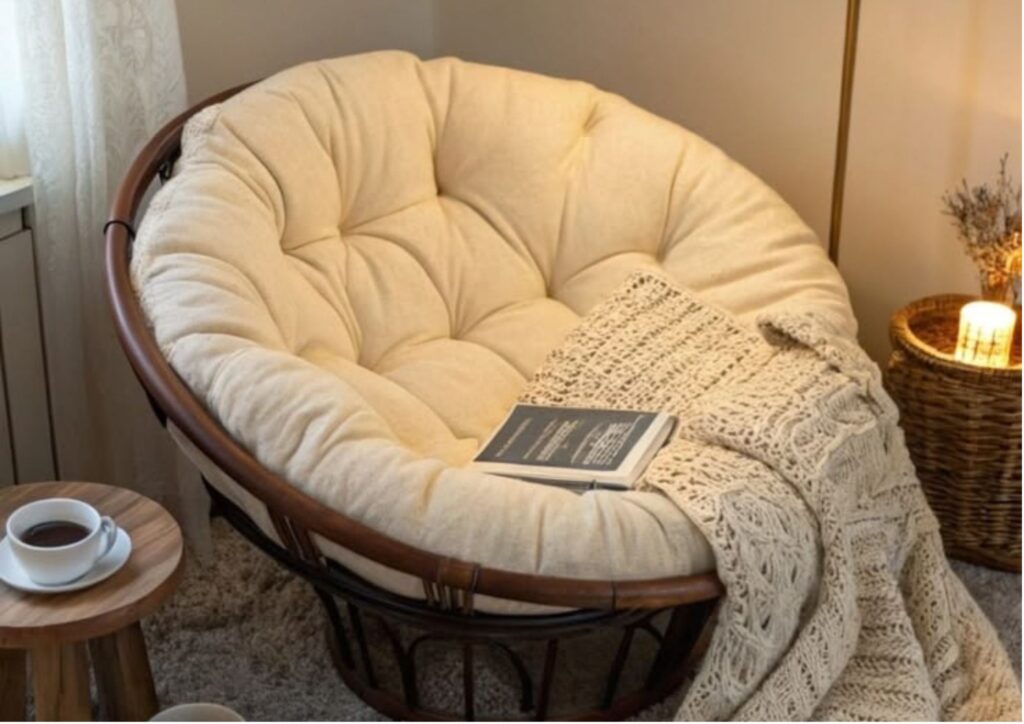
An unused corner can become one of the most useful parts of the room.
A comfortable chair, small side table, and floor lamp are often enough to create a simple reading area. Add a basket for books or a small plant if you have room.
You do not need a huge space. The key is choosing furniture that fits the corner without making the rest of the room harder to navigate.
14. Use Open Shelves to Show Your Personality
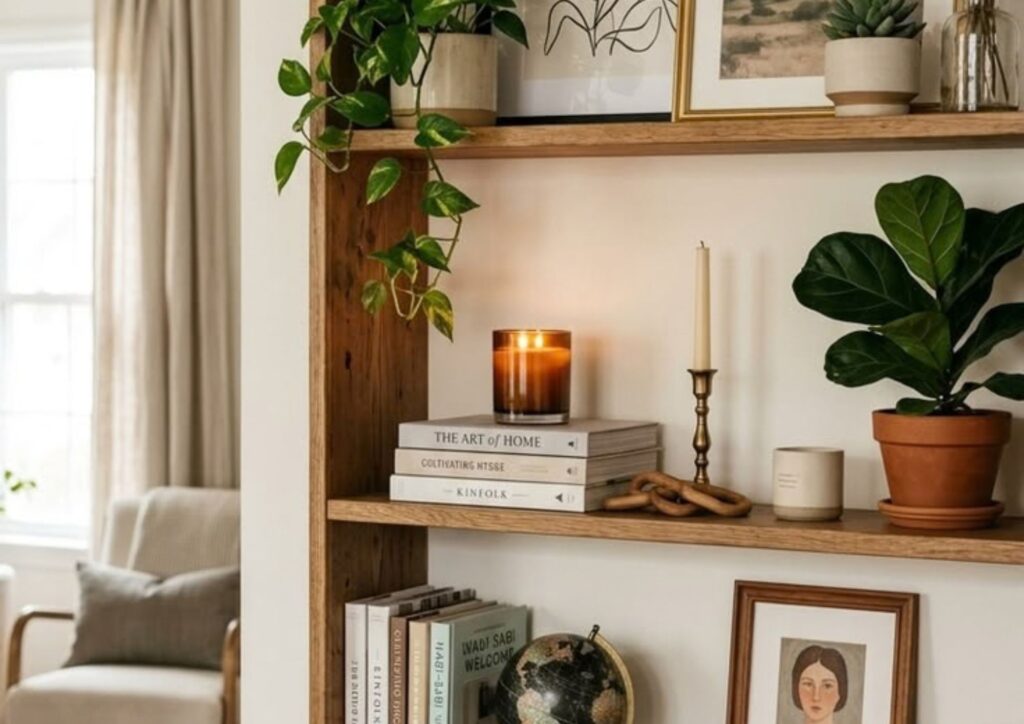
Open shelves can give you space for books, photographs, ceramics, plants, and other objects that mean something to you.
Start with a few larger pieces and then add smaller items around them. Avoid filling every available space.
Leaving some empty shelf space can actually make the display look more intentional. You can also rearrange the shelves occasionally when you want the room to feel different without buying anything new.
15. Hide Everyday Clutter in Attractive Storage
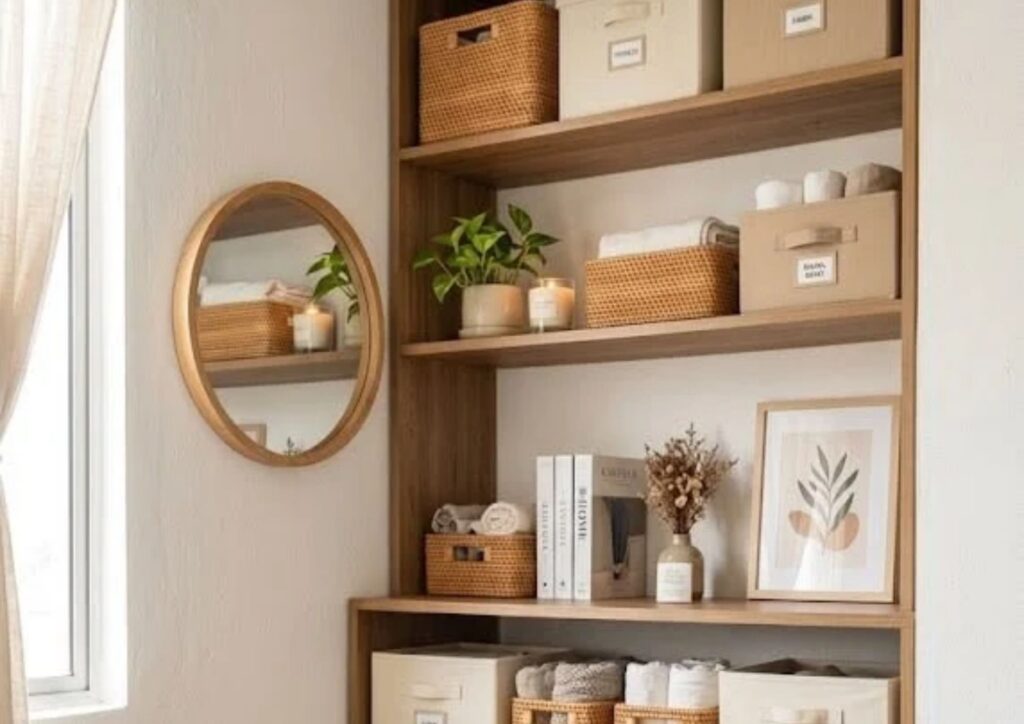
A living room can quickly become crowded with blankets, toys, magazines, remotes, chargers, and other small items.
Baskets, storage ottomans, cabinets, and closed shelving can help keep those things within reach without leaving everything on display.
Choose storage that fits your existing decor. Woven baskets can add warmth, while simple closed cabinets may suit a cleaner modern room.
Most importantly, put storage where you will actually use it. A beautiful basket tucked into an inaccessible corner will not solve much.
16. Introduce Color With Paint or Wallpaper
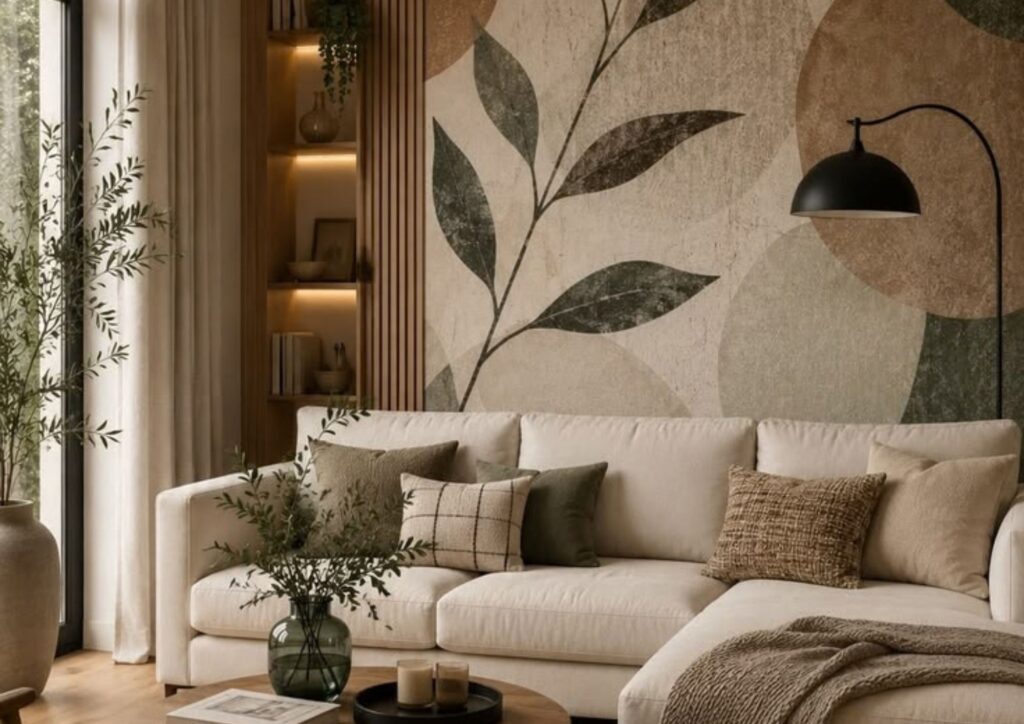
You do not need to repaint every wall to introduce more color.
A single accent wall can create a focal point, while wallpaper can add pattern to a smaller section. You could use it behind a sofa, around a reading nook, inside built-in shelving, or on another area that needs more personality.
If you prefer a more dramatic effect, painting the walls, trim, and ceiling in related shades can create a cozy, enveloping look.
Always test paint samples in the actual room first. Natural and artificial lighting can make the same shade look very different throughout the day.
17. Mix Old and New Pieces
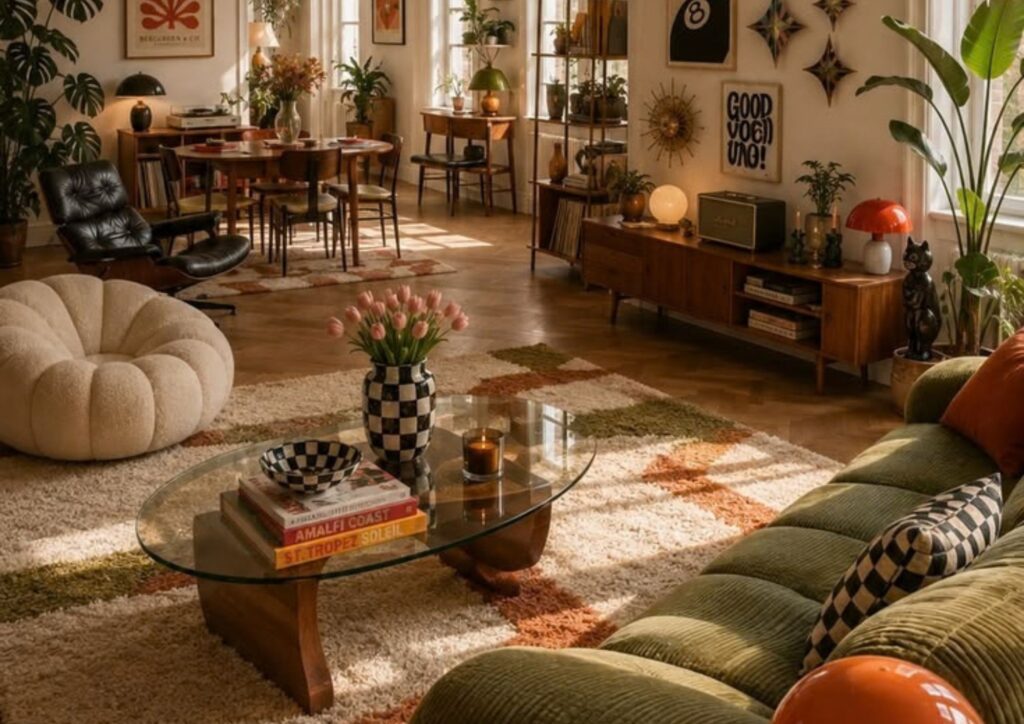
A living room does not have to look as though every piece came from the same furniture collection.
Combining different styles can make the space feel more personal. A modern sofa could sit beside a vintage side table, while a contemporary lamp could work with an older wooden cabinet.
You can make different pieces feel connected by repeating a color, material, or finish somewhere else in the room.
This approach also gives you more freedom to keep furniture and decorative pieces you already love.
18. Create Zones in an Open-Plan Living Room
Large open spaces can sometimes feel empty because there is no clear separation between activities.
Use rugs, furniture placement, lighting, and color to create visual zones without closing the room off.
For example, one rug can define the main seating area while a nearby chair and lamp create a smaller reading space. In a combined living and dining area, furniture placement can help distinguish the two functions while keeping the overall space connected.
The goal is to make each area feel purposeful without making the room feel chopped up.
19. Add Something Personal
A living room should look like it belongs to the people who live there.
Display a favorite photograph, artwork, handmade piece, travel souvenir, inherited furniture, or collection of books. These details give the room character that cannot be achieved by buying matching decorations.
You do not need to display everything you own. Choose a few things that have a story or genuinely reflect your taste.
That personal layer is often what makes a decorated room feel like a home.
20. Refresh the Room With the Seasons
You do not need a completely different living room every few months.
Instead, change smaller details. Lighter fabrics can make the room feel fresh during warmer periods, while thicker throws, warmer textures, and deeper shades can make it feel cozier when the weather changes.
You could rotate cushion covers, blankets, flowers, candles, or a few small decorative pieces.
Keeping the larger furniture the same makes seasonal decorating much easier and more affordable.
How to Pull Your Living Room Together
Once you have made a few changes, step back and look at the room as a whole.
Start with the color palette. Everything does not have to match, but repeating a few shades can help separate pieces feel connected.
Then look at texture. If the room contains many smooth surfaces, introduce something woven, soft, natural, or matte. If there are already lots of textures, give the eye a few simpler surfaces to rest on.
Pay attention to scale as well. Small artwork can disappear above a large sofa, while an oversized coffee table can overwhelm a compact room.
Finally, look at the walking paths. A room can look beautiful in a photograph but become frustrating if people have to squeeze between furniture to move around.
Sometimes the best finishing touch is simply removing something that does not belong. Good living room decor should make the space feel comfortable as well as visually appealing.
Living Room Decor Ideas for Different Budgets
You do not need a large decorating budget to make a noticeable difference.
Small budget
Start with things that can change the atmosphere without replacing furniture:
- Cushion covers
- Throw blankets
- Plants
- Lamps
- Framed artwork
- Baskets
- Rearranging furniture you already own
Medium budget
If you have a little more room to spend, consider:
- An area rug
- New curtains
- A larger mirror
- An accent chair
- A coffee table
- A statement light fixture
Larger makeover
For a more significant transformation, you could consider:
- Replacing the sofa
- Changing flooring
- Adding built-in storage
- Installing new lighting
- Adding wallpaper or a more substantial wall treatment
Whatever your budget, start with the change that solves an actual problem in your room. Buying more accessories will not fix furniture that is too large or a layout that does not work.
Common Living Room Decorating Mistakes to Avoid
A room can contain beautiful furniture and still feel uncomfortable. Often, the problem is not a lack of decoration but too much of it.
One common mistake is choosing a rug that is too small for the seating area. Another is relying on one overhead light and expecting it to create a warm atmosphere.
Filling every shelf and tabletop can also make the room feel crowded. Give your eyes a few places to rest.
It is equally important to consider furniture size. Measure your room before buying anything new, and think about doorways, walking paths, and how the furniture will actually be used.
Most importantly, do not decorate entirely for photographs. Your living room needs to work for real life.
Frequently Asked Questions
What is the easiest way to refresh a living room?
Start with the things that have the biggest visual impact: rearrange the furniture, improve the lighting, add a properly sized rug, and introduce a few new textiles or personal pieces.
How can I make a small living room look more spacious?
Keep furniture proportional to the room, maintain clear walking paths, and avoid blocking natural light. A well-placed mirror can also reflect light and make the space feel more open.
How many decorative items should I put in my living room?
There is no perfect number. Focus on balance rather than quantity. A few larger, meaningful pieces can often look more intentional than filling every available surface with small decorations.
How can I make my living room look more expensive without spending a lot?
Pay attention to presentation. Properly hung curtains, good lighting, a well-sized rug, coordinated textiles, uncluttered surfaces, and a few distinctive pieces can make a room feel much more finished.
Does all living room furniture need to match?
No. Mixing furniture can give a living room more personality. Repeat colors, materials, or finishes to create a connection between pieces that do not come from the same collection.
Final Thoughts
The best living room decor is not necessarily the most expensive or elaborate; it is the
decor that works with your space and the way you live.
Start by identifying what is not working. Maybe the seating feels disconnected, the lighting is too harsh, the room lacks storage, or an empty wall needs some character. Fix that problem first instead of buying decorations simply because you have an empty surface.
Then make changes gradually. A new rug, better lighting, a different furniture arrangement, or a few meaningful pieces can completely change the way the room feels.
Use these living room decor ideas as a starting point rather than a list you have to complete. Your home does not need to look like a showroom. It should reflect how you live and contain things you genuinely enjoy.
A well-decorated living room is not just one that looks finished. It is one that makes you want to sit down and stay awhile.