
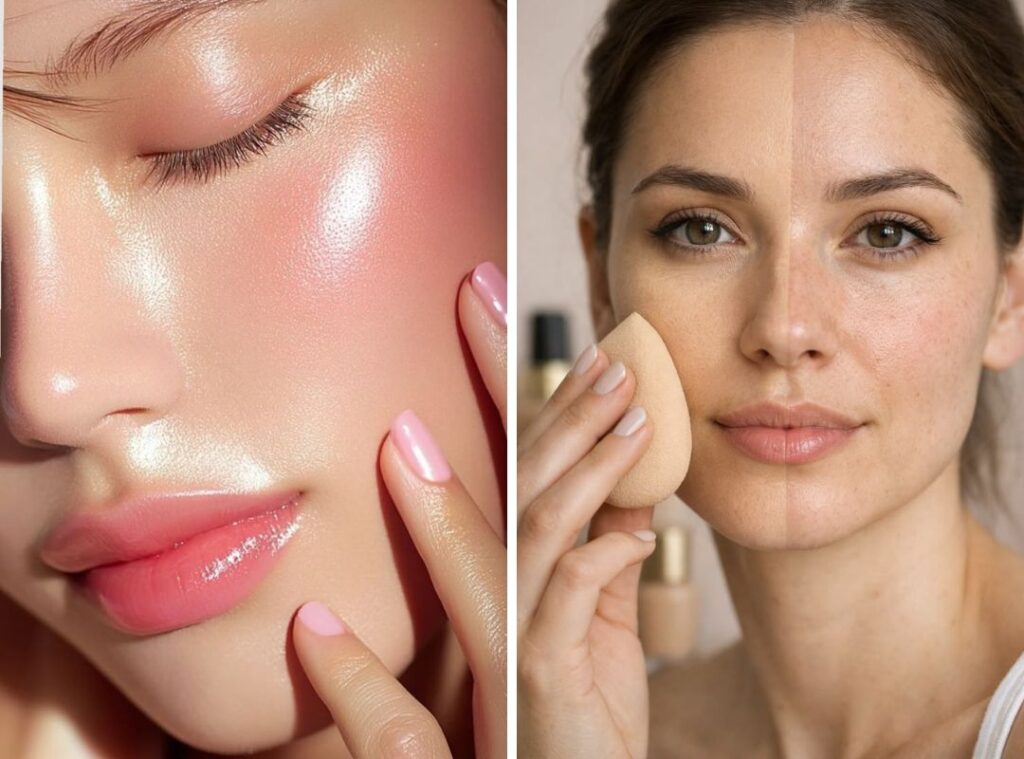
Learning how to apply foundation without looking cakey can make a big difference in your makeup routine. Even a high-quality foundation can end up looking heavy, patchy, or textured when too much product is applied or the skin isn’t properly prepared.
The good news is that you don’t need complicated makeup techniques to get a smooth, natural-looking finish. A well-prepped base, the right foundation formula, and a careful application can help your makeup look more like skin instead of sitting heavily on top of it.
Whether you’re new to makeup or simply want to improve your technique, these simple tips will help you create a more even and natural-looking foundation finish.
Why Does Foundation Look Cakey?
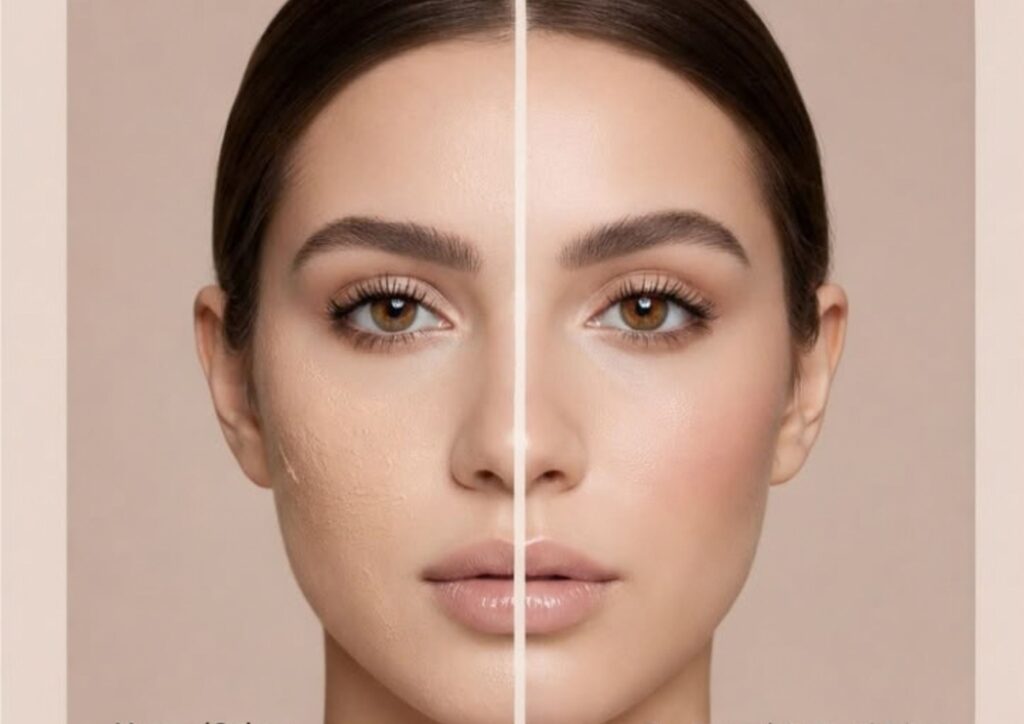
Before changing your application technique, it helps to understand what can cause a cakey finish.
Foundation may look heavy or uneven when you:
- Apply more product than you need
- Skip moisturizer or apply makeup to very dry skin
- Use a foundation that doesn’t suit your skin type
- Layer several products too quickly
- Don’t blend the foundation thoroughly
- Apply too much powder
- Use products that don’t work well together
- Apply thick layers instead of building coverage gradually
- Don’t give your skincare enough time to settle
Fortunately, most of these problems are easy to correct once you know what to look for.
1. Prepare Your Skin Before Applying Foundation

Good skin preparation is an important first step when learning how to apply foundation without looking cakey. A smooth foundation application starts before you even reach for your makeup.
Cleanse your face, apply your usual moisturizer, and give your skincare a little time to settle before applying foundation. If you’re doing your makeup during the day, sunscreen should also be part of your normal skincare routine.
If your skin is dry or flaky, foundation can cling to those areas and make them more noticeable. Moisturizing won’t magically remove texture, but it can create a more comfortable base for makeup.
You don’t need a complicated skincare routine. A simple approach is usually enough:
Cleanse → Moisturize → Sunscreen during the day → Allow skincare to settle → Foundation
If you use primer, apply it after your skincare has settled.
2. Choose a Foundation That Works With Your Skin
The foundation formula you choose can affect how your makeup looks throughout the day.
Think about how your skin normally behaves rather than choosing a foundation based only on its popularity.
If You Have Dry Skin
A hydrating or natural-looking foundation may feel more comfortable and help prevent dry areas from looking emphasized.
If You Have Oily Skin
A foundation with a natural or matte finish may provide better oil control, depending on your preferences.
If You Have Combination Skin
You may find that different areas of your face need different amounts of product. Your T-zone might need more oil control, while the drier areas may look better with less powder.
Your skin can also change with weather, skincare, and other factors, so it’s okay to adjust your foundation routine when necessary.
3. Start With a Small Amount of Foundation

One of the easiest ways to avoid a cakey finish is to avoid applying too much product in the first place.
More foundation doesn’t automatically mean better coverage. A thick layer can make texture more noticeable and leave your makeup looking heavy.
Instead, start with a small amount and spread it over the areas where you want coverage.
A useful rule is:
Start small → Blend → Check → Add more if necessary
There isn’t one exact amount of foundation that everyone should use. The right amount depends on the coverage of your product, your skin, and the finish you’re trying to achieve.
It’s also easier to add coverage than to remove excess foundation.
4. Apply Foundation in Thin Layers

If you want more coverage, build it gradually rather than applying a thick layer all at once. Start around the center of your face, where you may want more coverage, and blend the product outward toward your hairline and jaw.
Once the first layer has been blended, look at your skin before adding more. If certain areas still need coverage, apply a small amount specifically there.
This technique helps you maintain a more natural finish because you’re not covering your entire face with unnecessary layers.
If you’re learning how to apply foundation without looking cakey, building coverage slowly is one of the easiest habits to develop. It gives you more control over the finish and helps prevent excess product from collecting on the skin.
5. Blend Your Foundation Properly
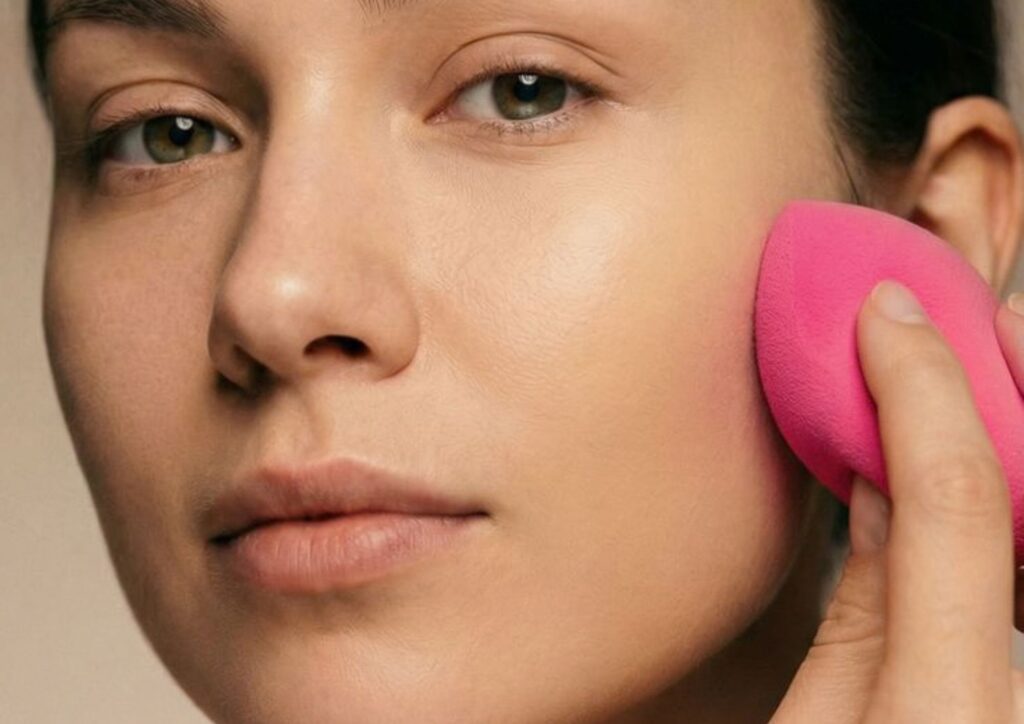
Good blending is essential when learning how to apply foundation without looking cakey.
Work in small sections instead of spreading a large amount of foundation across your entire face at once.
Depending on the tool you’re using, you can press, bounce, or gently buff the foundation into your skin.
Pay particular attention to areas where makeup can collect, including:
- Around the nose
- Between the eyebrows
- Around the mouth
- Along the jawline
- Near the hairline
Don’t forget the edges of your face. A visible foundation line around your jaw or hairline can make an otherwise good application look unnatural.
6. Choose the Right Foundation Tool

There isn’t one foundation tool that works perfectly for everyone. Both brushes and makeup sponges can give you a beautiful finish when used correctly.
Using a Foundation Brush
A brush can give you good coverage and allows you to work precisely.
Use gentle motions rather than repeatedly dragging the brush over the same area. Make sure your brush is clean, since old product buildup can affect how smoothly your foundation applies.
Using a Makeup Sponge
A damp makeup sponge can give foundation a softer, more diffused finish.
Instead of rubbing the foundation around your face, gently bounce the sponge over your skin. This can help distribute the product evenly while removing some excess.
If you’re a beginner, a damp sponge can be a useful option when you want a lighter-looking finish. However, don’t feel that you have to use one. A clean brush can work just as well with the right technique.
7. Use Powder Carefully

If you’re figuring out how to apply foundation without looking cakey, using less powder can make a noticeable difference.
Powder can help reduce shine and improve the staying power of your makeup, but you don’t necessarily need to cover your entire face with it.
Applying too much powder can make foundation look dry or emphasize texture.
Instead, concentrate powder on areas that actually need it. For example, you might apply a small amount to your T-zone if that area becomes oily during the day.
Use a light hand and build gradually. You can always add a little more later.
8. Prevent Foundation From Settling Into Texture

Foundation can’t completely erase pores or skin texture, and some settling is normal. However, you can make it less noticeable.
Start by avoiding excess product in textured areas. Applying more foundation to pores doesn’t necessarily hide them—it can sometimes make them more obvious.
A suitable primer may also help create a smoother surface. When applying foundation, use gentle pressing or bouncing motions rather than aggressively rubbing the skin.
Once your makeup is finished, try not to constantly touch your face. Touching can move foundation around and cause it to collect in certain areas.
9. Give Your Makeup Time Before Adding More
It’s easy to assume you need more foundation or concealer before you’ve had a chance to see how the first layer actually looks.
After applying your foundation, pause for a moment and check your skin in good lighting.
Ask yourself:
- Do I actually need more coverage?
- Are there any areas that still need blending?
- Has excess product collected anywhere?
- Does my skin still look natural?
If you need additional coverage, apply it only where necessary.
This approach can keep you from adding several unnecessary layers of makeup.
10. Don’t Forget Your Makeup Tools
Clean tools can make a noticeable difference in how foundation applies.
Foundation brushes and makeup sponges collect product, oil, and other residue over time. Using them without regular cleaning can make application less smooth.
Clean your tools according to the manufacturer’s recommendations and allow them to dry properly before using them again.
A clean tool also makes it easier to blend foundation evenly instead of moving old product around your face.
What to Do When Your Foundation Already Looks Cakey
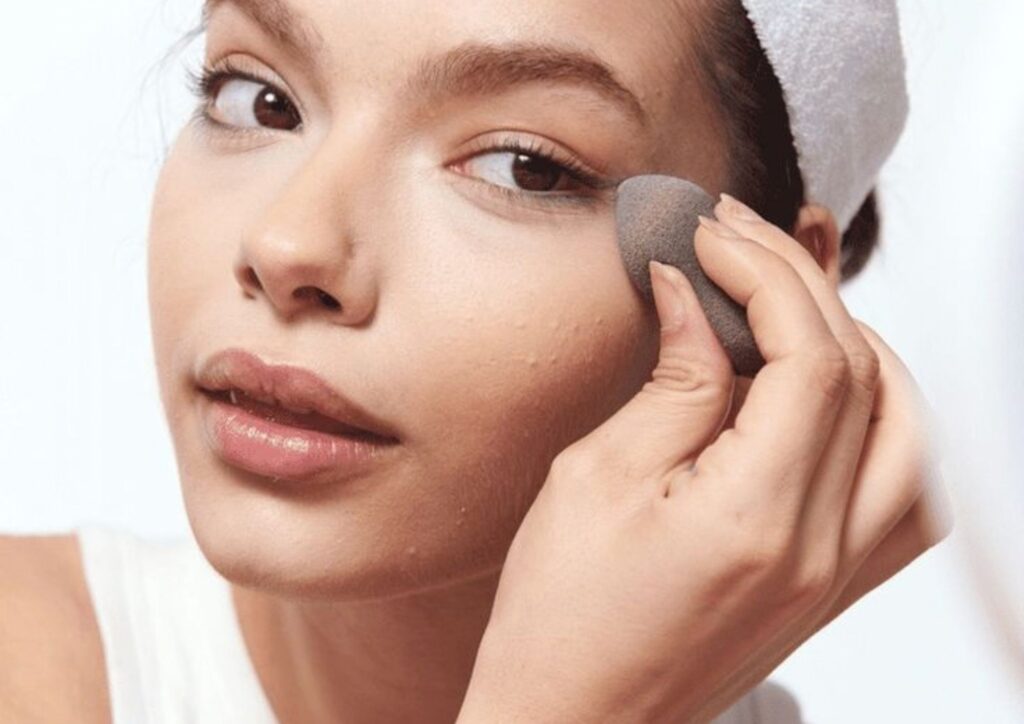
Knowing how to apply foundation without looking cakey is helpful, but even a careful application can sometimes go wrong. If your makeup already looks heavy, dry, or uneven, you usually don’t need to start your entire routine again.
Try these simple fixes instead.
1. Stop Adding Powder
If your foundation already looks thick or dry, another layer of powder may make the problem more noticeable.
Put the powder aside and assess the areas that look heavy.
2. Press the Area With a Damp Sponge
Take a clean, lightly damp makeup sponge and gently press it over the areas where the foundation looks heavy.
Don’t aggressively rub the skin. Pressing can help redistribute some of the excess product and soften the finish.
3. Remove Excess Product if Necessary
If one area has far too much foundation, gently lift some of the product away rather than trying to blend all of it back into the skin.
You can then apply a very small amount of foundation again if coverage is needed.
4. Add a Little Moisture
If your makeup looks particularly dry, a light mist or a tiny amount of moisturizer may help soften the appearance, depending on the products you’re already wearing.
Use very little. Adding too much moisture can disturb the rest of your makeup.
5. Re-blend
Once you’ve reduced the excess product, gently blend the area again with a clean brush or damp sponge.
Look at the finish before deciding whether you actually need more foundation.
6. Set Only Where Necessary
If the corrected area needs powder, apply a small amount instead of covering the entire face again.
Quick Foundation Checklist
Before you finish your makeup, run through this simple checklist:
✓ Skin is clean and moisturized
✓ Skincare has had time to settle
✓ Foundation matches your skin type and desired finish
✓ You started with a small amount of product
✓ Coverage was built in thin layers
✓ Foundation is blended around the nose, jawline, and hairline
✓ Powder was applied only where needed
✓ Textured areas weren’t overloaded with product
✓ Makeup tools are clean
✓ Your makeup looks natural in good lighting
If you can check off most of these steps, you’re already well on your way to achieving a smoother, more natural-looking foundation finish.
Common Foundation Mistakes to Avoid
Applying Too Much Foundation
A thick layer can make makeup look heavy and emphasize texture.
Try instead: Start with a small amount and build coverage gradually.
Skipping Skin Preparation
Dry or uncomfortable skin can make foundation look uneven.
Try instead: Cleanse, moisturize, and allow your skincare to settle before applying makeup.
Stopping at the Jawline
A noticeable line between your face and neck can make your foundation look obvious.
Try instead: Blend carefully around your jawline and hairline.
Using Too Much Powder
Excess powder can make foundation appear dry or textured.
Try instead: Powder only the areas that need oil control or extra staying power.
Using Dirty Makeup Tools
Old product buildup can affect the way foundation blends.
Try instead: Clean your brushes and sponges regularly.
Adding More Makeup Too Quickly
Sometimes what looks like a coverage problem is actually a blending problem.
Try instead: Pause and assess your foundation before adding another layer.
How to Get a Natural-Looking Foundation Finish

You don’t need to completely cover every pore, mark, or natural feature of your skin to have beautiful makeup.
For a more natural finish, focus on evening out the areas that need coverage while allowing some of your natural skin to show through.
A simple routine can be:
Moisturize → Apply a thin foundation layer → Blend → Add coverage only where needed → Conceal specific areas → Powder lightly if necessary
The goal isn’t to make your skin look completely flat. A little natural texture can actually make your makeup look more realistic.
Frequently Asked Questions
Why does foundation separate around my nose?
Foundation often separates around the nose because this area tends to produce more oil and experiences more movement throughout the day. Applying too much product around the nose can make the problem more noticeable. Try using a thin layer of foundation, blending carefully, and applying only a small amount of powder if needed.
Can primer stop foundation from looking cakey?
Primer can help create a smoother surface for foundation, but it isn’t a guaranteed fix for cakey makeup. Foundation can still look heavy if you apply too much product or skip proper skin preparation. Primer works best when combined with good skincare and a light, buildable foundation application.
Should I use a brush and sponge together?
Yes. Many makeup users apply foundation with a brush first and then use a damp makeup sponge to blend the finish. The brush can provide coverage, while the sponge helps soften any visible lines and remove excess product. This combination can create a more natural-looking result.
Why does my foundation look cakey after a few hours?
Foundation may start looking cakey throughout the day if your skin becomes oily, dry, or dehydrated. Excess powder, heavy layers of makeup, or touching your face frequently can also affect how foundation wears. Using lighter layers and setting only where necessary can help foundation look fresher for longer.
Is powder necessary after foundation?
Not always. Powder is mainly used to reduce shine and help makeup stay in place. If your skin is dry or you prefer a more natural finish, you may only need a small amount of powder or none at all. Apply powder based on your skin type and the finish you want rather than using it automatically.
Why does foundation look cakey?
Foundation can look cakey for several reasons, including applying too much product, skipping moisturizer, using the wrong foundation formula, or applying too much powder. Dry skin, poor blending, and layering multiple products too quickly can also contribute to a heavy or textured appearance. In most cases, using thinner layers and preparing your skin properly can help create a smoother finish.
Should foundation match my face or neck?
Your foundation should blend naturally with the skin around your face and neck. When testing a shade, apply it along your jawline rather than on your hand. The right shade should look seamless without creating a noticeable difference between your face and neck.
Final Thoughts
Learning how to apply foundation without looking cakey doesn’t require a complicated makeup routine. The biggest difference usually comes from preparing your skin, choosing a suitable foundation, using an appropriate amount, and taking your time with blending.
Remember the basic process:
Prepare → Apply a small amount → Blend → Build coverage where needed → Set lightly
And if your foundation does look cakey, don’t automatically add more product. Remove some of the excess, gently press the area with a damp sponge, re-blend, and only add what you actually need.
With a little practice, you’ll become better at judging how much foundation your skin needs and which techniques work best for your routine.
If you prefer a more natural beauty routine, check out our guide on how to look good without makeup for simple ways to feel confident while letting your natural features show.